

India’s NextERA
- 3FoundationalForces
- 6InterconnectedLevers
- 30Years ofTransformation
India 2055:Forging the FutureThrough Strategic Transformation
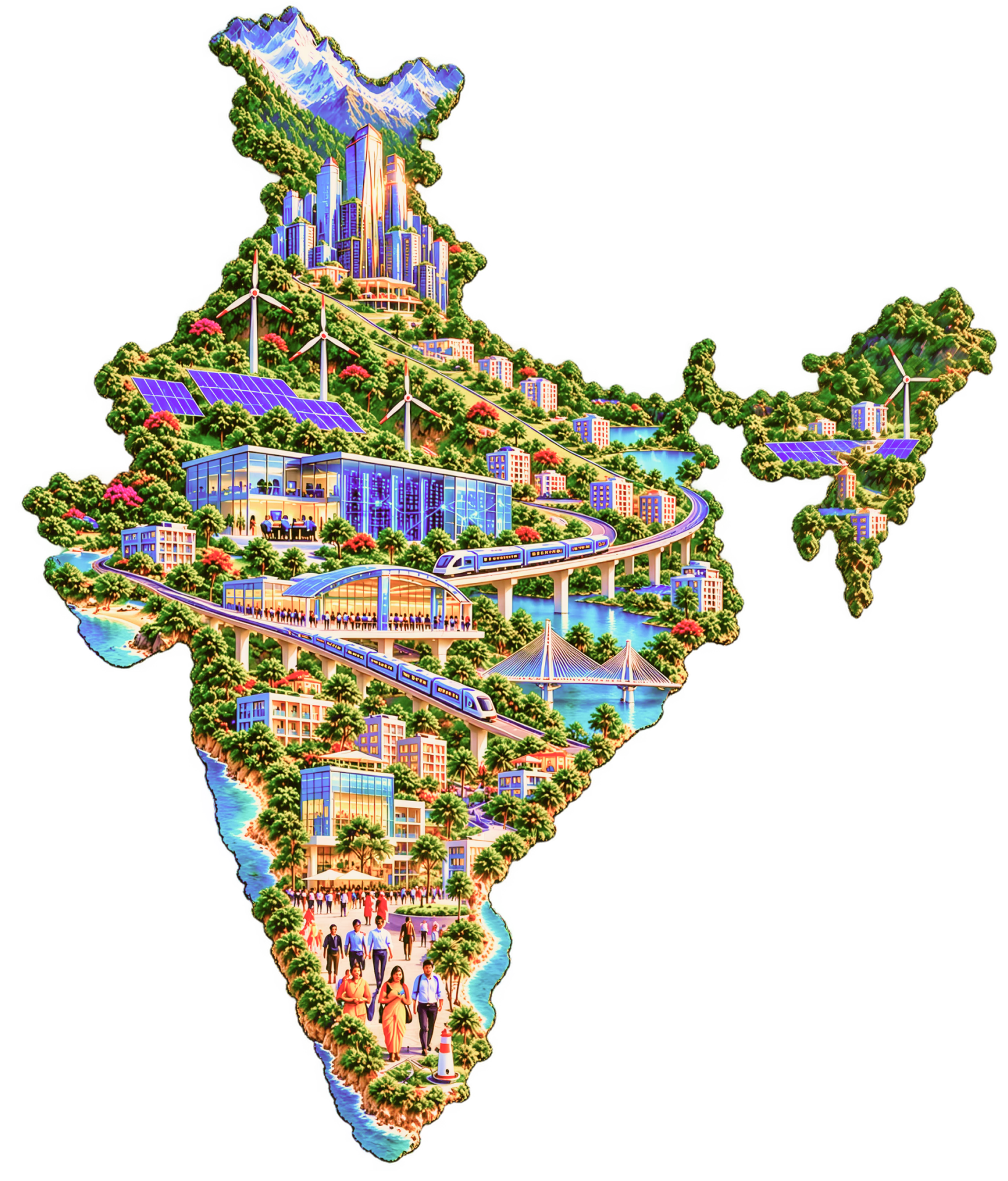
Over the next three decades, demographic shifts, urbanization, digitalization, evolving capital markets, sustainability and changing global supply chains could fundamentally reshape India’s economic and investment landscape. This outlook frames India’s transformation through a macroeconomic lens designed to provide a perspective for investors and policymakers over the longer-term.
This transformation can be best understood through the lens of the “Three Rs” Framework, which captures the structural forces shaping India’s future. These pillars must be reinforced by investment in six transformational levers that together could strategically boost durable growth and productivity, fostering an expansive, dynamic and inclusive opportunity.
Download Report


R’s
A strategic growth framework

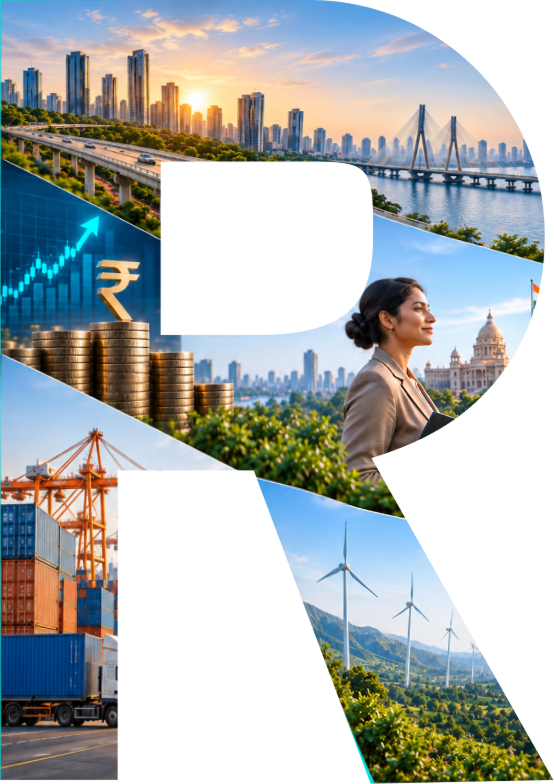

Strong domestic demand, healthy balance sheets and prudent macro management are helping the economy absorb global shocks and keep growth steady through uncertainty.
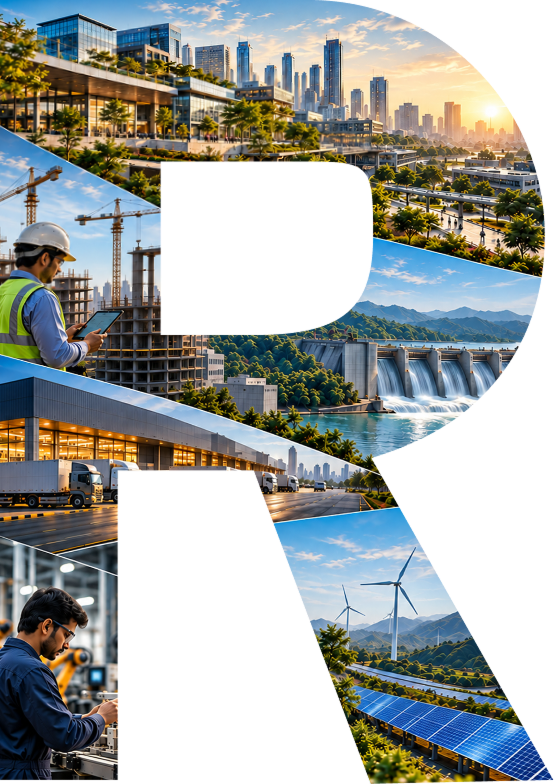
There is an ongoing reallocation of resources across sectors, regions, and institutions. Structural reforms and infrastructure investment are modernizing labor markets, cities, and industrial capacity for a more complex economy.
A new cycle of investment in energy transition, urban living and technology is renewing the growth base and opening fresh opportunities for long-term investors.
One
Six transformational levers
A new trajectory
Demographic Dividend andIts Gradual Maturation
Urbanization and the Rise of NewEconomic Centers
Digital Transformation andFinancial Inclusion
Evolving Investment andSaving Patterns
Sustainability, Climate Change, andthe Green Economy
Shifts in Global Integration andSupply Chains
Demographic Dividend andIts Gradual Maturation
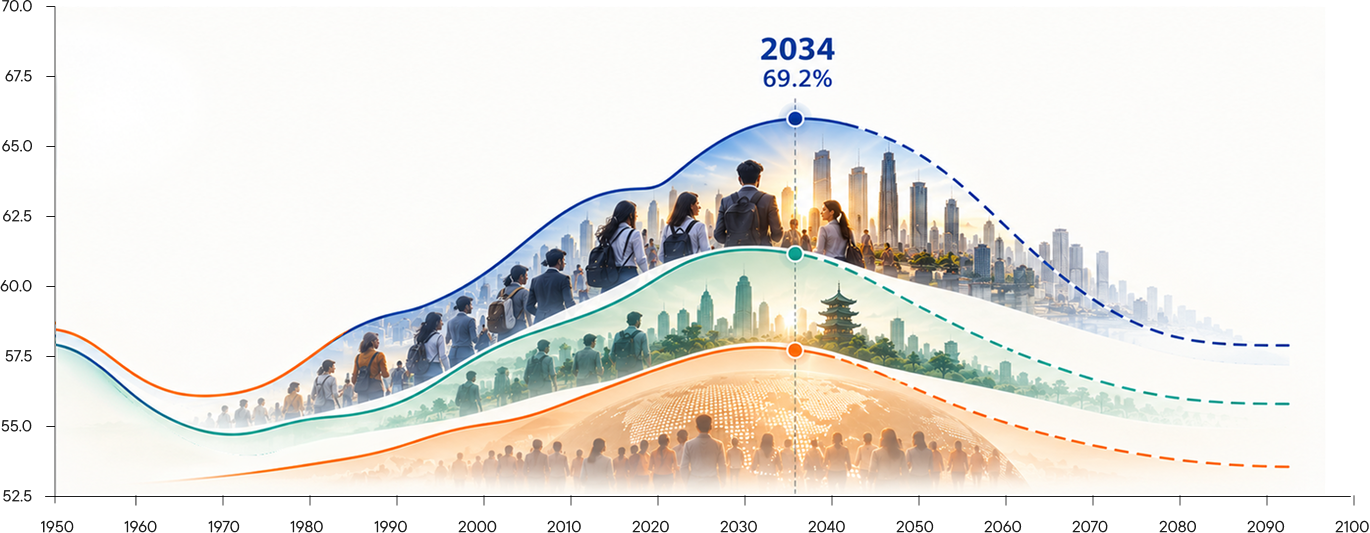
India’s demographic advantage offers a significant, but finite, window for accelerated growth. With its working-age population expected to peak at 69.2% by 2034, the coming decades could see rising labour participation, consumption and productivity, provided India continues to invest in education and skills, healthcare and labour market inclusion.
Exploiting India’s demographic dividend requires strong labor force participation and rising job quality, especially amongst women. While reforms and targeted initiatives are improving outcomes, sustained progress will require deeper labor market inclusion, large-scale job creation, and continued investment in education and skills.
India’s working age population peaks in 2034 and stays above Asia and global levels until the mid-2060s
 India
 Asia
 World
- India
- Asia
- World

Resilience
Expanding workforce and consumer base, fostering long-term stability.

Restructuring
Shifting age profiles require education and upskilling, adapting labor markets for a changing demographic.

Renewal
Unlocking youth potential to fuel innovation and entrepreneurship.
Urbanization and the Rise ofNew Economic Centers
India’s urban transformation is extending beyond its traditional metros. As Tier 2 and Tier 3 cities emerge as centres for manufacturing, IT, logistics, retail and consumption, the next wave of urbanization could distribute economic activity more widely across the country.
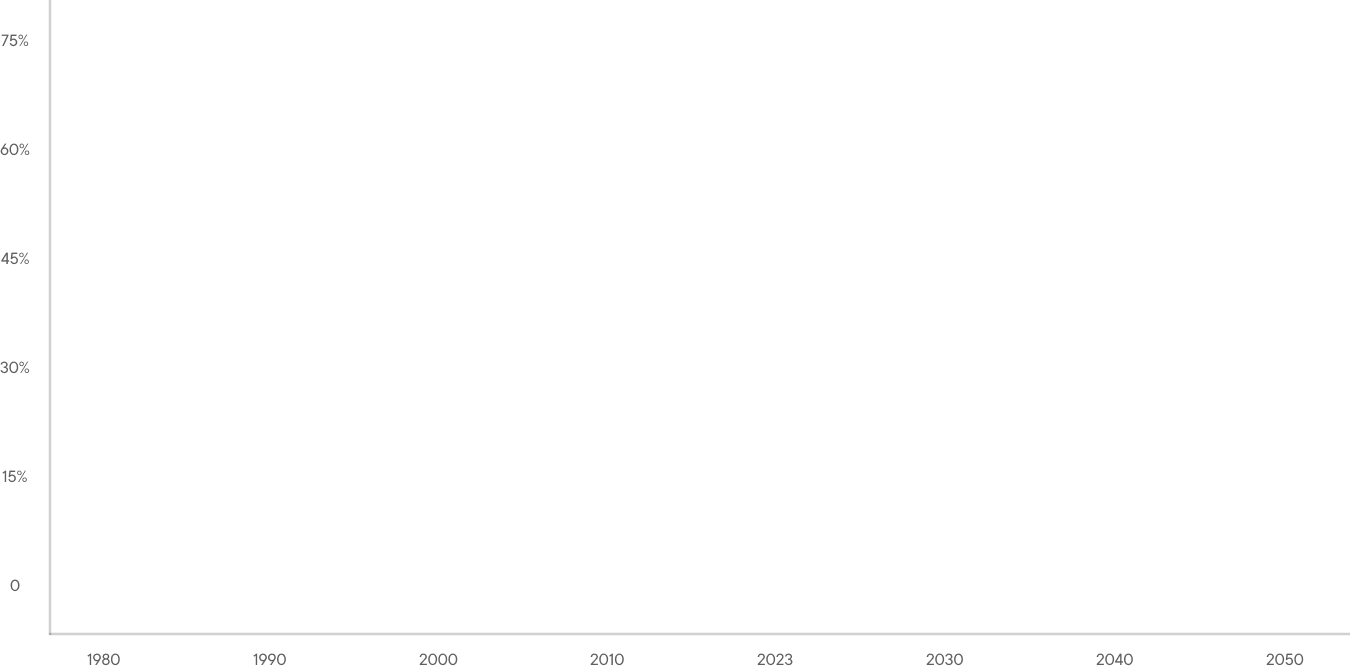
India’s urban population percentage might grow faster than Asia’s and the world’s.


 23%1980
 28%199029%200031%201036%2023
 40%203045%2040
 52%2050
- India
- Asia
 World
Resilience
Diversifying economic activity across regions, reducing risk tied to any single area.
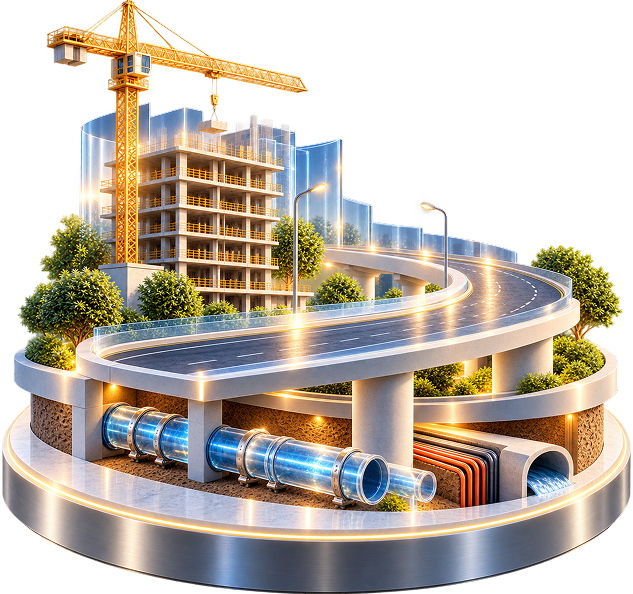
Restructuring
Revamping infrastructure and resources to support up-and-coming cities and towns.
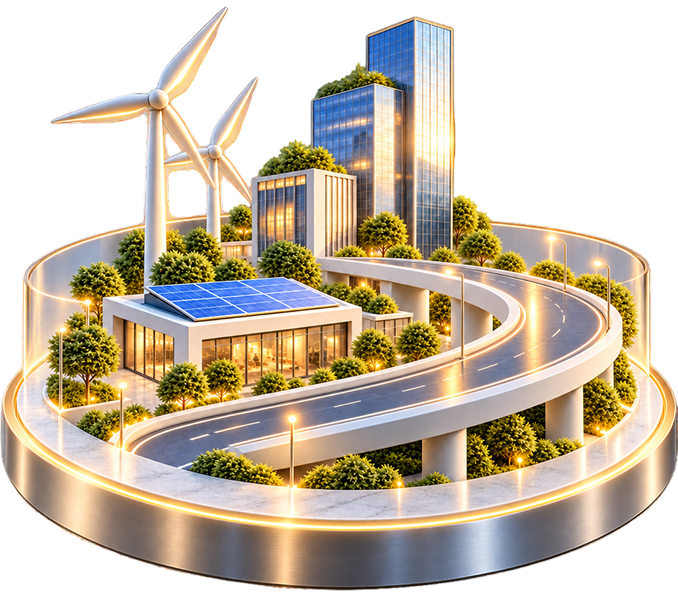
Renewal
Revitalizing growth with smart cities and forward-thinking urban planning.
Digital Transformation andFinancial Inclusion
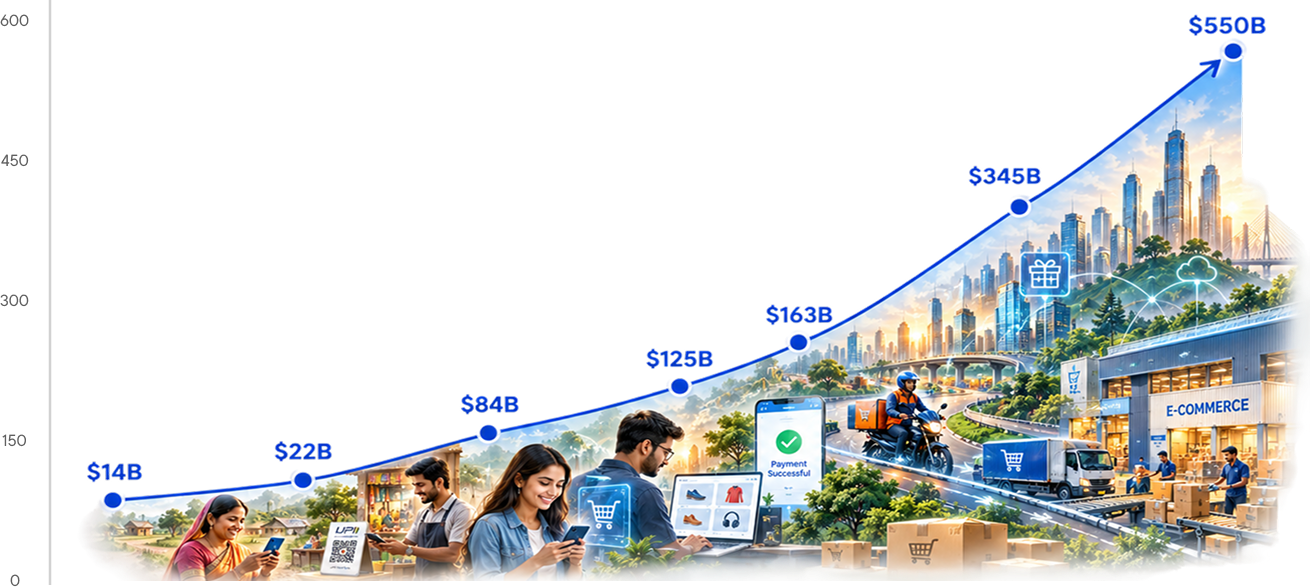
India’s digital infrastructure is creating a new foundation for economic participation. E-commerce is transforming retail, with a projected market value of USD 550 billion by 2035. From UPI and fintech to digital health, edtech and high-tech manufacturing, digitalization is widening access, creating new business models and connecting more people to the formal economy.
India’s e-commerce industry is expected to grow more than four-fold by 2035
Health management system accounts for the largest share of India’s digital health market.
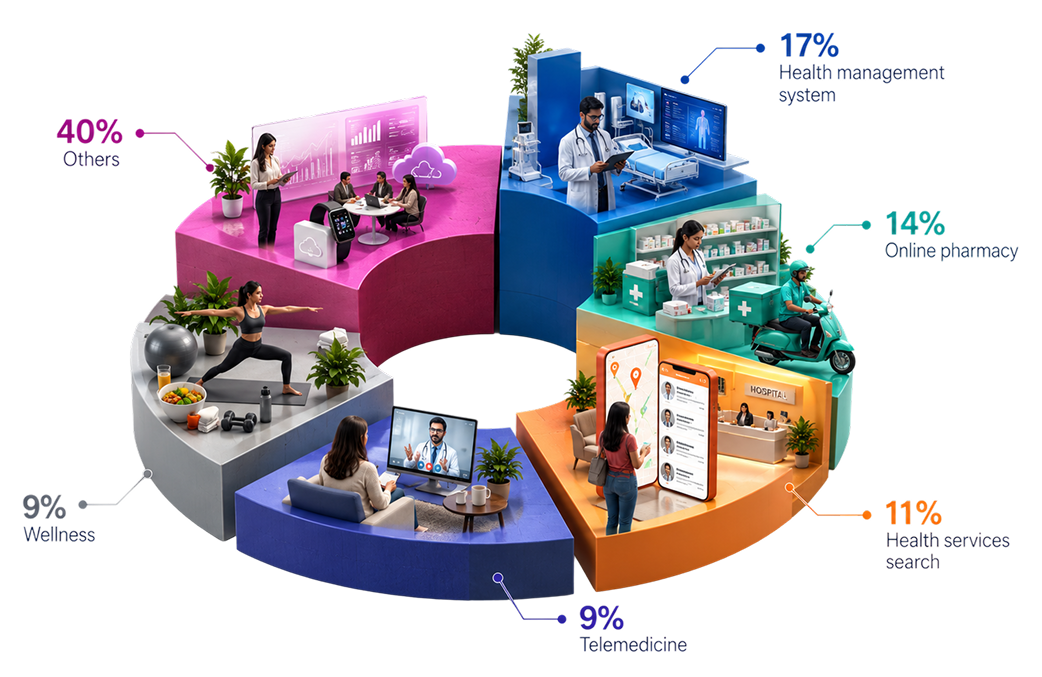
Source/Disclaimer: As of August 2024. Sources: Galen Growth, Statista. Note: The health management systems are focused on enhancing physician and hospital workflow.

Resilience
Establishing reliable digital infrastructure to boost access and security for all.

Restructuring
Upgrading financial systems and integrating new technologies for efficiency.

Renewal
Propelling fintech innovation and broadening economic participation.
Evolving Investment andSaving Patterns
India’s household savings are gradually moving towards a broader range of financial assets. Household participation in mutual funds, equities, insurance, and pensions has risen sharply. Mutual fund assets have grown six-fold over the past decade, As of March 31, 2026. Source: AMFI. while demat accounts have increased from 36 million in 2019 to 224.5 million in March 2026. Sources for March 2026 data: CDSL, NSDL. Source for 2019 data: The Economic Times CFO’s news article titled “Retail Investment Booms in India: Demat Accounts Surge to 19.4 Crore by 2025”, dated July 15, 2025. Insurance and pension penetration continue to expand, supported by regulatory reform and digital access.
NPS assets have increased to more than four times since FY2020



Resilience
Encouraging diversified investment portfolios to better absorb market shocks.

Restructuring
Responding to evolving consumer preferences and innovative financial products.
Renewal
Supporting new ways for capital formation and wealth creation.
Sustainability, Climate Change, and theGreen Economy
India’s growth will increasingly intersect with the realities of climate change, resource constraints and energy security. The transition towards renewable energy, smarter grids, circular models, sustainable agriculture and more efficient resource use could become a major source of both resilience and economic opportunity.
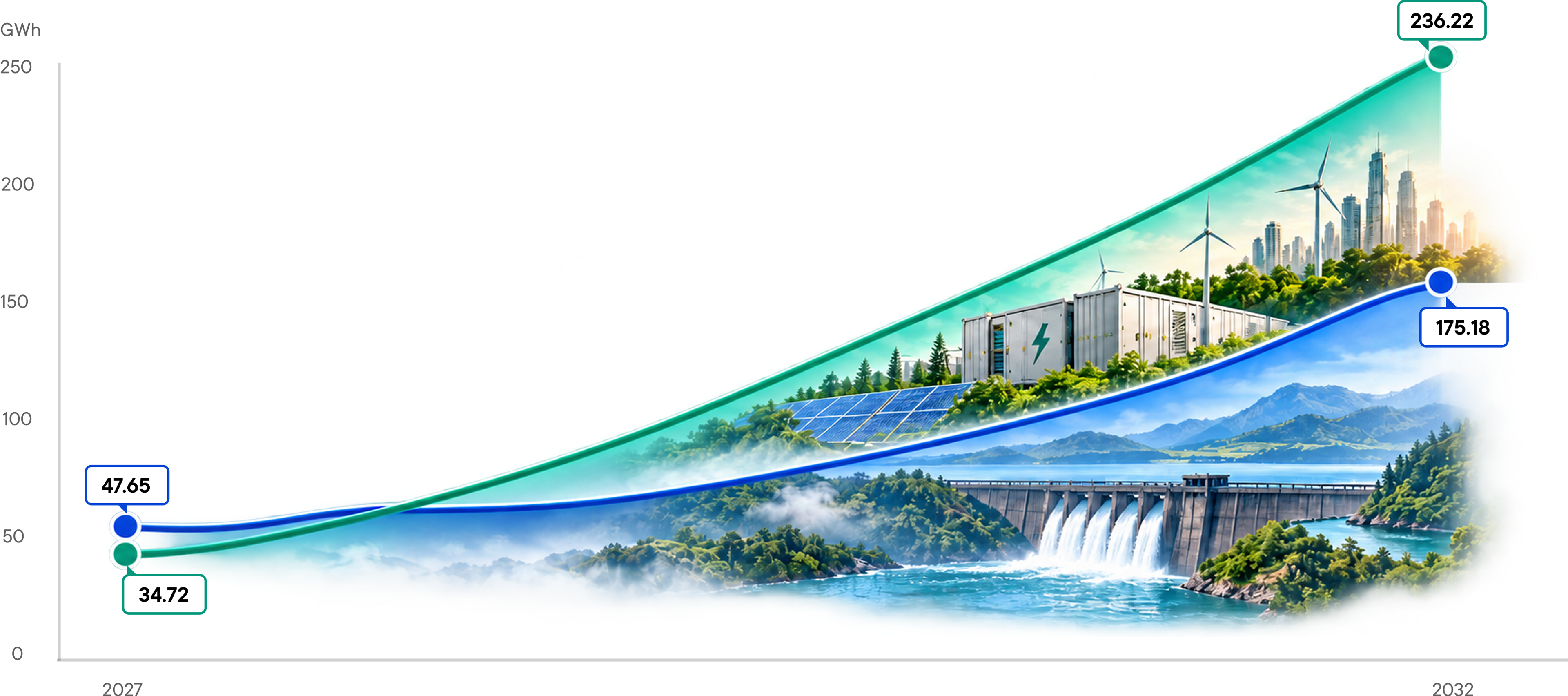
India’s battery storage needs may rise about seven-fold from 2027 to 2032.

Resilience
Prioritizing environmental safeguards and using resources efficiently.

Restructuring
Transitioning industries to low-carbon models and embracing circular practices.

Renewal
Advancing renewable energy, green finance, and sustainable business models.
Shifts in Global Integration andSupply Chains
Despite faltering globalization, India’s role in worldwide supply chains may grow in importance. Export-oriented sectors like electronics, pharmaceuticals, and textiles are gaining momentum, with India’s share of global electronics exports having tripled between 2014 and 2024.
However, India must diversify manufacturing, accelerate infrastructure, automation and AI, and strengthen global market access through regulatory reforms and partnerships. To ward off competition from other emerging markets, it must balance foreign investment with domestic industrial capacity, skilled talent and financial resilience to stay competitive amid global uncertainty.
Mobile phones make up a growing portion of electronics manufacturing output.


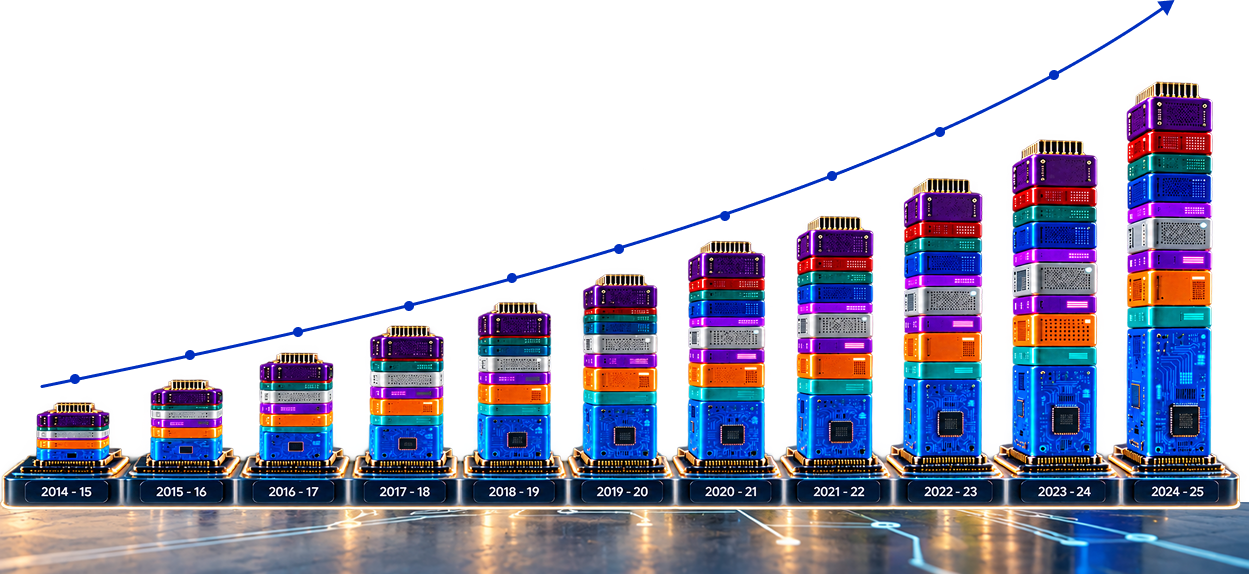
Notes: Values have been rounded for clarity. Previous reports have been accessed for historical data.

Resilience
Strengthening supply chain resilience and adaptability to global uncertainties.

Restructuring
Adjusting trade policies and partnerships to meet new global realities.
Renewal
Capitalizing on emerging market opportunities and supply chain innovation.

The next30 years
will be shaped by howthese forces converge
Together, they form a virtuous cycle of resilience, restructuring, and renewal that could position India as a future global economic powerhouse. For investors and policymakers, aligning strategies with these long-term dynamics—while balancing risk, sustainability, and innovation—will be essential to capturing durable, high-quality growth opportunities in one of the world’s most dynamic economies.

A burgeoning working-age population, rapid digital transformation, rising affluence, and India’s emergence as a global manufacturing and supply chain hub will together reshape the investment landscape in ways that benefit both Indian investors and global capital markets.

As an asset manager, Franklin Templeton has always believed that successful investing requires looking beyond today’s headlines to tomorrow’s possibilities. This report reflects that philosophy. It is our contribution to an important conversation about where India is headed and what it will take to realize its extraordinary potential.
India is one of the great long-term investment stories of our era. The research in this paper reflects that conviction with rigor and depth. What the Institute found is a dynamic country whose transformation runs across every dimension simultaneously— demographic, digital, financial and environmental.